
If you’ve ever felt chills during an anime moment so powerful it made you pause the episode, welcome home. Because today, we’re talking about the arcs. The legends that made the entire shonen universe stop and say, “This… this is peak anime.”
From the emotional storms of Marineford to the chaos of Pain’s Assault and the soul-shattering war in Thousand-Year Blood War, the Big Three arcs remind us why these series became untouchable in anime history.
In this guide, I’ve gathered four of the most unforgettable arcs from each of the Big Three, breaking them down by what makes them shine. You’ll find:
-
When each arc aired (and which season it stormed into),
-
How many episodes to expect?
-
The must-watch IMDb-highlighted episodes that fans still rave about,
-
Why each arc mattered to the story,
-
The most important characters who carried those moments, and
-
How these arcs forever changed what came next.
So, grab your favorite snack, queue up your watchlist, and let’s jump straight into the most explosive, emotional, and unforgettable anime arcs that turned viewers into lifelong fans.
Let’s dive in.
One Piece
These One Piece stories are some of the most unforgettable Big Three arcs, filled with emotional depth, world-shifting battles, and moments that defined modern shonen anime.
1. Alabasta Arc
Episodes:
Episodes that adapt the Alabasta story run from roughly episode 93 to episode 130, which is about 38 episodes.
Aired:
Aired beginning in late 2001, which places its kickoff in fall 2001.
Highest rated episode to watch:
Episode 130 is one of the emotional payoffs of the arc and consistently appears on episode lists and IMDb episode indexes for this part of the series.
Why you should care:
Alabasta is the first One Piece saga that mixes epic action with large-scale political stakes. It gives us a villain who was more than a baddie; he is a ruinous influence on a whole kingdom. The arc introduces the Straw Hats to the idea that their choices can change nations. It also cements themes of loyalty and sacrifice that echo through future arcs.
Key roles and important characters:
Princess Vivi shows what leadership under pressure looks like. Luffy grows into someone who can inspire civilians to resist tyranny. Crocodile shows how cunning an old-school villain can be. Important Straw Hat moments for Zoro, Sanji, and Robin also happen here.
Impact on later arcs:
Alabasta set the template: big stakes, layered villains, and emotional beats that future arcs would expand upon. It also seeds character growth that becomes crucial in post-time-skip stories.

2. Enies Lobby Arc
Episodes:
The Enies Lobby saga covers a chunk of episodes generally listed as 264 to 312 in the anime, though the anime includes a few standalone episodes among them. That sequence is widely used as the Enies Lobby block.
Aired:
This arc began airing in 2006, which places it in spring 2006 for the season kickoff.
Highest rated episode to watch:
Episode 312, which includes the Going Merry funeral and the crew’s emotional closure for their ship, is one of the most emotionally potent episodes tied to Enies Lobby on IMDb and fan lists.
Why you should care:
Enies Lobby is a classic One Piece catharsis. The Straw Hats declare war on the World Government to rescue a friend. The emotional and action beats land with huge weight because they are about found family and doing the impossible to save someone who matters.
Key roles and important characters:
Nico Robin’s story hits a major turning point. Franky and the ship saga culminate here. The episode where the crew grieves the Going Merry is a defining Straw Hat moment.
Impact on later arcs:
Enies Lobby raises the stakes on how the world perceives the Straw Hats and accelerates the series toward higher political conflict. It also sets the tone for how the anime handles tragic goodbyes and long-term payoffs.
3. Marineford Arc
Episodes:
Marineford is compact but intense. The anime arc often cited as the Marineford War covers episodes roughly 457 to 489, which is a 33-episode stretch of the series.
Aired:
This saga began airing in the summer of 2010.
Highest rated episode to watch:
Several episodes in the Marineford block are rated extremely highly on IMDb, but episode 483, which contains an emotional major turning point, is one of the entries that fans frequently point to as a top-rated moment from this war arc.
Why you should care:
Marineford is the kind of war arc that reshapes the whole series. It is brutal, fast-moving, and refuses to protect fan favorites from serious consequences. If you like high stakes and mythology expanding quickly and almost brutally, Marineford delivers.
Key roles and important characters:
Whitebeard, Ace, Admiral-level characters, and the full power of the Navy show up. The arc rewrites the political chessboard for pirates and the World Government. Luffy is forced to grow in ways he could not have before.
Impact on later arcs:
Everything after Marineford feels different. Power balances change. Motivations deepen. The arc directly triggers the time skip and the mature tone in the post-time skip era, including how the world measures the Straw Hats.
4. Wano Country Arc
Episodes:
The Wano Country saga is enormous in scale for both manga and anime. In the anime, it begins within season 20 and runs across many episodes, starting from around episode 892 and continuing through multiple cour breaks. The season entry for Wano Country lists the season starting July 7, 2019, and the arc spans the 2019 to 2023 broadcast window.
Aired:
Wano started in the summer of 2019.
Highest rated episode to watch:
Oden’s flashback episodes and their climactic turns are among the highest-rated Wano moments on IMDb and community rankings. Episodes that focus on Oden’s history and execution have especially high viewer ratings.
Why you should care:
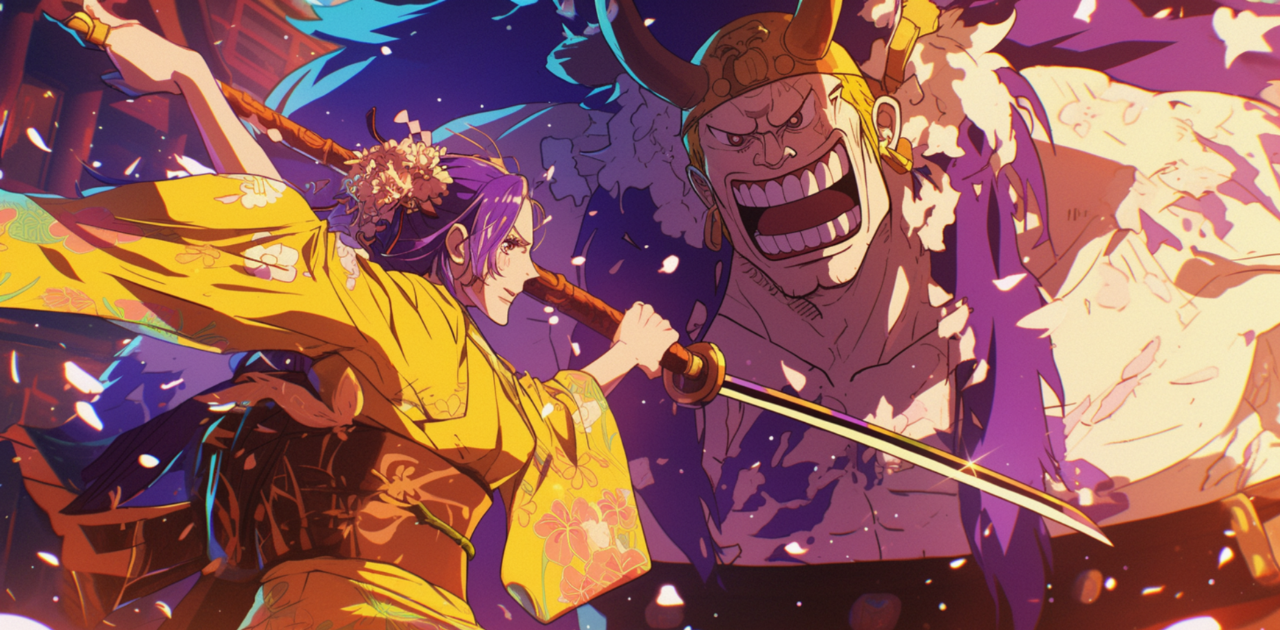
Wano combines samurai drama, empire-scale fights, and huge revelations about the series’ past. It is a narrative and aesthetic game-changer for One Piece and delivers some of the most cinematic scenes the anime has ever produced.
Key roles and important characters:
Kozuki Oden, Kaido, Big Mom, Yamato, and the full spectrum of alliance fighters all play major parts. The arc also deepens the series’ lore by connecting the Kozuki clan to ancient mysteries.
Impact on later arcs:
Wano reshapes the endgame of One Piece. It unlocks secrets about the Void Century, Laugh Tale, and the true nature of certain key powers. Many later revelations depend on things that happen in Wano.
Naruto
Among the Big Three arcs, Naruto’s storylines stand out for how they mix heart, rivalry, and raw emotion, shaping the entire next generation of shonen storytelling.
1. Chunin Exams Arc
Episodes:
The Chunin Exams sequence in the original Naruto runs from episodes 20 to 67 in the anime, depending on the exact grouping you use. It contains the exams themselves and the invasion beats that make the arc exciting.
Aired:
This arc began airing in early 2003, which places its start in Winter 2003.
Highest rated episode to watch:
Episode 48, which features Rock Lee versus Gaara, is one of the most iconic and top-rated moments from the Chunin Exams on IMDb. This fight is still a fan favorite and is rated highly on episode lists.
Why you should care:
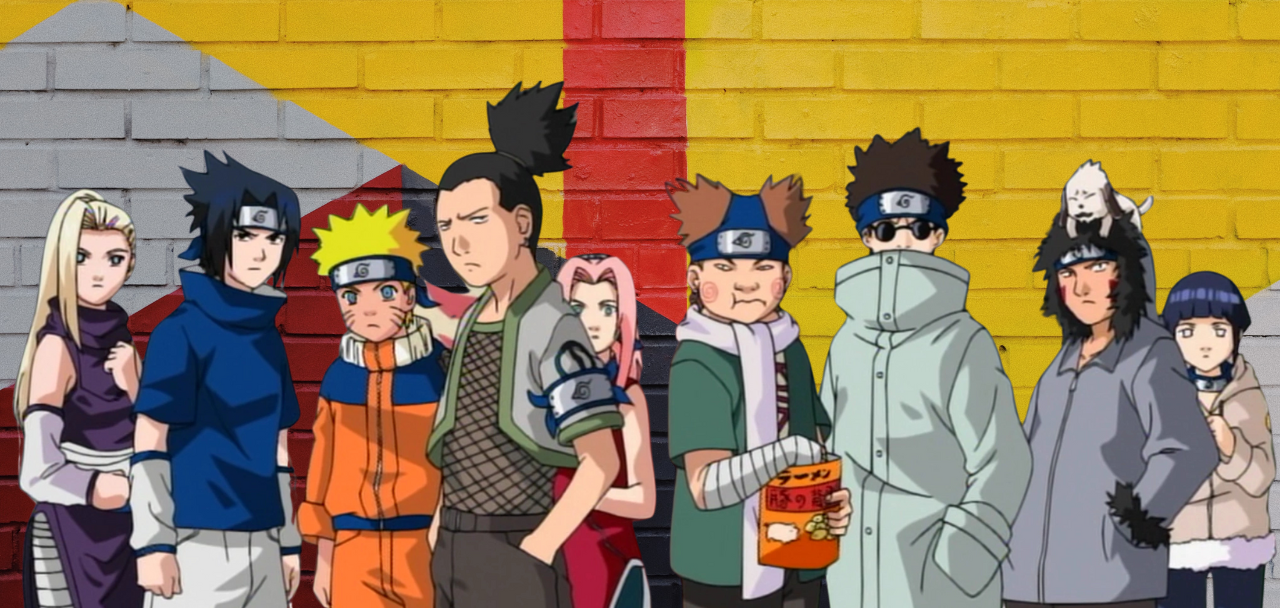
The Chunin Exams arc takes Naruto from a fun adventure to an actual testbed for world-building. It shows how villages operate politically and gives each young ninja a chance to shine, not just the main hero. The arc also introduces crucial rivals and lasting relationships.
Key roles and important characters:
Rock Lee’s performance, Gaara’s tragic backstory, Sasuke and Naruto’s rivalry, and Team 7’s growth are central. The arc also introduces deeper elements of the shinobi world that will be vital later on.
Impact on later arcs:
Chunin Exams sets up long-term rivalries and tragedies. It’s the first arc where consequences ripple outward into future conflicts and character growth.
2. Sasuke Retrieval Arc
Episodes:
The Sasuke Retrieval mission occupies the late original Naruto run and is commonly listed around episodes 107 to 135. It is where the team goes all out, trying to bring Sasuke back from Orochimaru.
Aired:
This arc started in Fall 2004 for initial episode airings.
Highest rated episode to watch:
Episode 135, The Promise That Could Not Be Kept, is a standout and often appears on best episodes lists for this arc. It is an emotional stop that has high viewer ratings on episode pages.
Why you should care:
This arc is raw emotion and emergency teamwork at full tilt. Naruto’s inability to bring Sasuke back leads to one of the most important turning points in both characters’ lives.
Key roles and important characters:
Shikamaru shows his tactical genius. Naruto proves his core values. Sasuke’s break with the village sets the entire second half of the franchise into motion.
Impact on later arcs:
Sasuke’s departure creates the three-year gap that leads into Shippuden. The consequences are massive and drive much of the emotional engine of the later series.
3. Pain’s Assault Arc
Episodes:
The Pain attack arc in Naruto Shippuden is often listed as spanning episodes 152 to 169, plus 172 to 175 in various guides. That block contains the invasion and the crucial conclusions.
Aired:
The arc began airing in Spring 2010. Season references list it in Shippuden season 8, which runs from March to August 2010.
Highest rated episode to watch:
Episode 175, titled Hero of the Hidden Leaf, shows the aftermath and emotional closure for the arc and is one of the episodes that ranks very high among Shippuden’s IMDb entries.
Why you should care:
Pain’s Assault forces Naruto to confront a villain who is as ideologically complex as he is terrifying. The arc reshapes Naruto’s role in the world and is often cited as the highest emotional peak for Naruto to that point.
Key roles and important characters:
Nagato’s backstory, Jiraiya’s sacrifice, and Naruto’s philosophical growth are core to this arc. The arc also strengthens Naruto’s bond with the village in a huge way.
Impact on later arcs:
Pain’s Assault affects geopolitics within the ninja world and softens the line between friend and enemy in later confrontations. It shows that healing or destroying worlds comes from choices, not only from strength.
4. Fourth Great Ninja War Arc
Episodes:
The Fourth Great Ninja War is the massive endgame of Naruto: Shippuden, stretching from episode 261 to 479, an enormous saga that brings every village, hero, and legend into the same battlefield.
Aired:
The war began airing in October 2011, marking the beginning of one of the longest and most ambitious arcs in the series. Its climactic final episodes aired in 2016, closing out the Shippuden era.
Highest rated episode to watch:
Episode 474 and surrounding episodes that cover the closing of the war and early resolution beats are among the Shippuden episodes that rate very highly on episode listings and IMDb pages for the series.
Why you should care:
This arc is everything the franchise has built toward. Massive-scale fights, history-revealing, hokage-level stakes, and the final resolutions for many character arcs happen here.
Key roles and important characters:
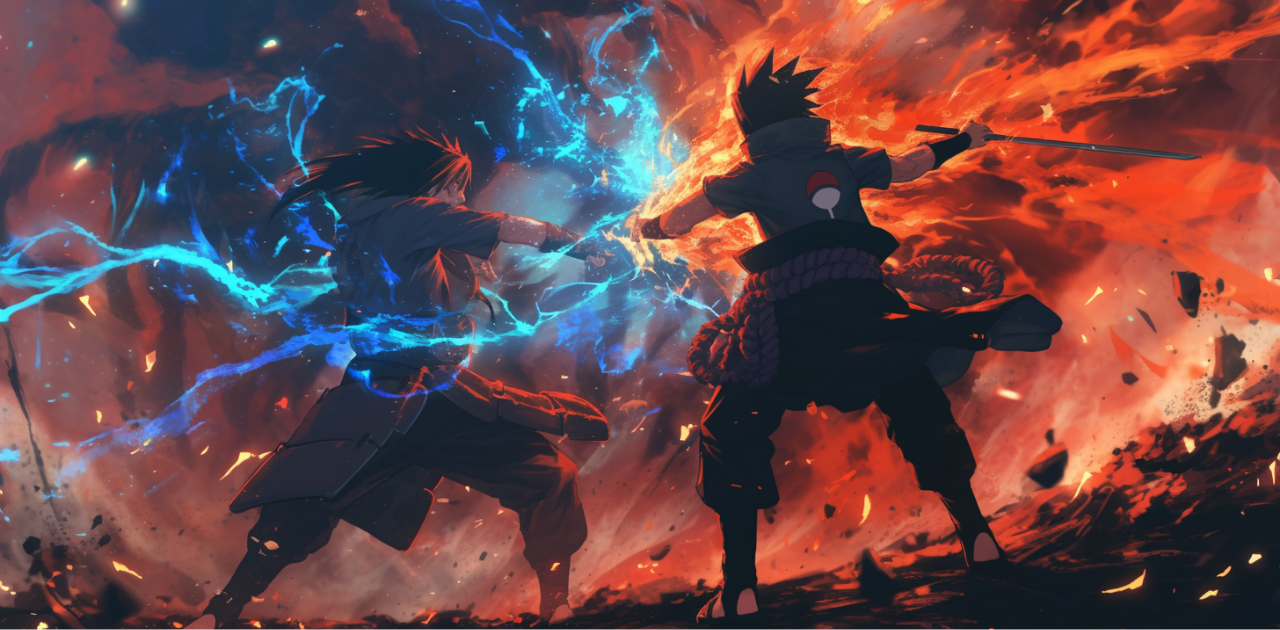
Naruto, Sasuke, the reanimated hokage, and many allied ninjas are all center stage. The war reveals long-hidden ties in the world and the origin of many mysteries.
Impact on later arcs:
The war’s outcomes directly shape the time skip future and the world order that Boruto explores. It also closes a huge set of narrative loops and resets many character paths.
Bleach
When anime fans talk about the most stylish and intense Big Three arcs, Bleach always enters the conversation for its world-building and cinematic duels.
1. Soul Society Arc
Episodes:
The Soul Society sequence that focuses on Rukia’s rescue is often collected around episodes 21 to 63, depending on exact sub-arc grouping. The Rescue block itself is frequently cited as episodes 42 to 63 in episode guides.
Aired:
The Soul Society saga started airing in Summer 2005 for the parts that build into the rescue section, making this a Summer 2005 kickoff in most airing guides.
Highest rated episode to watch:
Episodes that focus on the Byakuya and Ichigo clash and Rukia’s fate are often cited among the highest-rated early Bleach episodes. The episode covering the Ichigo Byakuya culmination appears on many film lists and IMDb episode entries for this arc.
Why you should care:
Soul Society introduced the complex structure of the spirit world, the Gotei 13, and Bleach’s signature mix of sword combat with character melodrama. It is where the series went from a solid supernatural setup to an epic mythological scope.
Key roles and important characters:
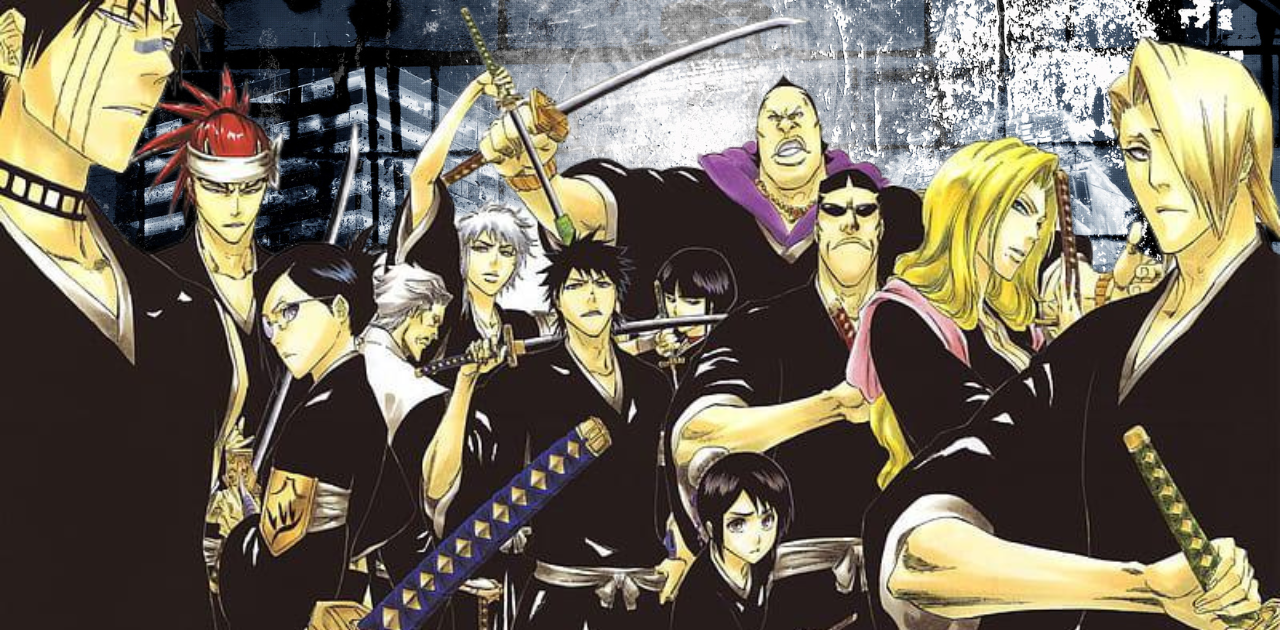
Rukia, Ichigo, Byakuya, Renji, and the captains show distinct philosophies and power sets. The arc also clearly establishes Aizen’s manipulation, which shapes the series.
Impact on later arcs:
Soul Society’s revelations around the captains and their ideals provide seeds for future betrayals and the Arrancar storyline later on. The arc raised the show’s scale and set the tone for big reveals.
2. Arrancar Hueco Mundo Arc
Episodes:
The Arrancar sequences and the Hueco Mundo rescue missions cover a broad zone of episodes, starting around the 110 to 167 area of the anime, depending on how you slice the seasons. Guide lists mark the Arrancar era as the major mid-series block.
Aired:
The Arrancar era moves through 2006 and 2007 broadcast windows, depending on episode, so broadly that puts the start in mid-2006 in many episode guides.
Highest rated episode to watch:
Climactic clashes between Soul Reapers and Espada, such as the big showdowns, are often top-rated on IMDb episode lists. Episodes that feature full showdowns between core fighters are fan favorites.
Why you should care:
Arrancar moves Bleach into large-scale multi-actor fights and deepens Aizen’s plan’s scope. The arc blends hollow mythology with soul reaper politics and delivers some of the series’ most kinetic fights.
Key roles and important characters:
Ulquiorra, Grimmjow, Ichigo, Orihime, and many captains are center stage. This arc expands the cosmology of Bleach and tests Ichigo’s limits.
Impact on later arcs:
Hueco Mundo’s consequences carry straight into later threats and the final confrontations. It also marks the point where Bleach’s fight choreography and power escalation become the show’s defining traits.
3. Fullbring Arc
Episodes:
Fullbring, sometimes called The Lost Agent arc in anime guides, is commonly collected in the 343 to 366 episode stretch in anime lists. It deals with Ichigo’s lost powers and humans with strange new powers.
Aired:
The Fullbring block aired around 2011, which places its start in the 2011 broadcast windows used by the show’s seasons.
Highest rated episode to watch:
Episodes that mark Ichigo’s internal struggle and the ultimate regain of his power resonate strongly with fans and appear in many top episode rankings. Specific fight and payoff episodes are frequently singled out on episode listings.
Why you should care:
Fullbring is a character-focused arc that gives Ichigo a more grounded crisis and prepares the series for its final revelation phase. It is quieter than Arrancar and Soul Society, but important for character closure.
Key roles and important characters:
Ichigo’s identity work is central. New characters who test him and guide his power recovery play crucial roles.
Impact on later arcs:
Fullbring clears the way for the series’ resurgence into large-scale final story lines and sets up the stakes for the final saga that follows.
4. Thousand-Year Blood War Arc
Episodes:
Thousand-Year Blood War is the final major arc from the manga and was adapted in the modern reboot era of the anime. The arc returns Bleach to the stage with an intense serialized run in the 2022 era and beyond. Episode guides list TYBW as the culminating long-form story in the anime’s chronology.
Aired:
The Thousand-Year Blood War adaptation returned to the anime scene beginning in 2022, which places the start in Fall 2022 in most broadcast windows for its first cour.
Highest-rated episode to watch:
The early TYBW episodes that reveal the new threat and major captain-level power struggles are already highly rated among modern episode lists and quickly became community favorites on IMDb-based lists.
Why you should care:
TYBW is Bleach’s all-out final act. It answers long-running mysteries and pits captains directly against the series’ deepest threat. The arc is more mature, more lethal, and packed with big reveals.
Key roles and important characters:
Everything that came before matters here. Captains and lieutenants show their true strengths, and Bleach’s world-building finally comes to a resolution.
Impact on later arcs:
Because TYBW is the final major arc, its resolution finalizes character fates and the franchise’s major mythos. It’s the one to watch if you want Bleach’s ultimate payoff.
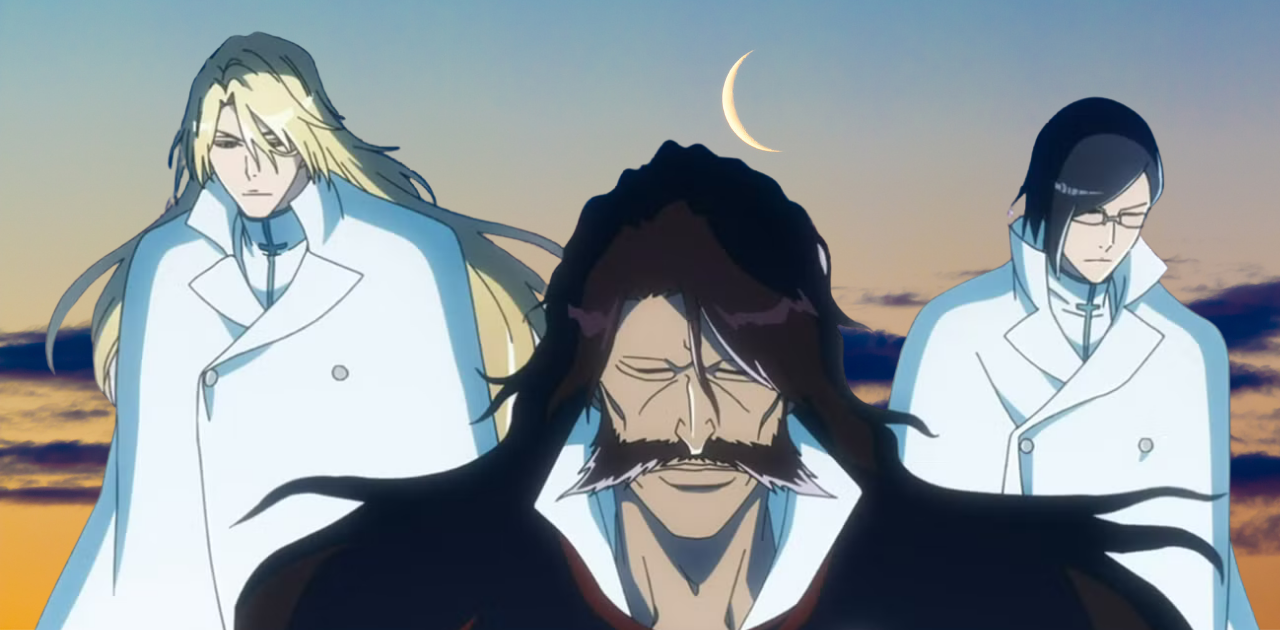
These Big Three arcs prove why One Piece, Naruto, and Bleach still dominate anime conversations years later; they’re the foundation of shonen greatness. Together, they shaped not just characters, but an entire generation of fans. Whether you cried during Marineford, held your breath in the Soul Society, or screamed through Pain’s Assault, these arcs all share one truth: they changed how we see heroes, loyalty, and the very meaning of power.
If you’re the kind of fan who loves discovering hidden gems beyond the mainstream, you’ll absolutely want to check this next read: 10 Incredible Underrated Anime You Sadly Missed Out. It’s the perfect companion piece to this list and might just help you find your next obsession.
FAQs About Big Three Arcs
Q1.What do the Big Three arcs mean in this article
A: Big Three arcs refer to the most iconic and influential story blocks from the three major long-running series, One Piece, Naruto, and Bleach. I picked four arcs from each to showcase the highlights and long-term impact.
Q2.Are the episode counts exact
A: An episode quote comes from commonly used episode guides and season pages. In some cases, the anime includes a few extra episodes or short specials around the arcs, so the counts are the grouping used by mainstream episode lists. Each arc citation points to the guide used.
Q3.Did you use IMDb ratings for the highest-rated episodes
A: Yes, I referenced IMDb episode entries and high-level episode rankings to highlight the most fan-acclaimed episodes for each arc.
Q4.Which arc should a newcomer watch first
A: If you want emotional origin investment, start with Soul Society for Bleach or Chunin Exams for Naruto. If you want sprawling adventure, start One Piece’s Alabasta or Enies Lobby. For intense stakes and lore, Wano and Marineford are must-watch.
Q5.Do I have to watch every filler episode
A: No. For these arcs, you can follow the main numbered episodes listed in the guides and skip non-canon episodes if you want a tighter watch. Episode guides cited above show the canonical ranges used by most fans.


Great information shared.. really enjoyed reading this post thank you author for sharing this post .. appreciated
Thank you for your kind words! We’re glad you enjoyed the post and truly appreciate your support.
I very delighted to find this internet site on bing, just what I was searching for as well saved to fav
For the reason that the admin of this site is working, no uncertainty very quickly it will be renowned, due to its quality contents.
Thank you for the encouragement! We truly appreciate your kind words and support. We’ll keep working hard to maintain quality content.
Hi there to all, for the reason that I am genuinely keen of reading this website’s post to be updated on a regular basis. It carries pleasant stuff.
Thank you for your kind message! We’re really glad you enjoy the content and appreciate your interest in staying updated. Your support means a lot to us.
This is my first time pay a quick visit at here and i am really happy to read everthing at one place
I am truly thankful to the owner of this web site who has shared this fantastic piece of writing at at this place.