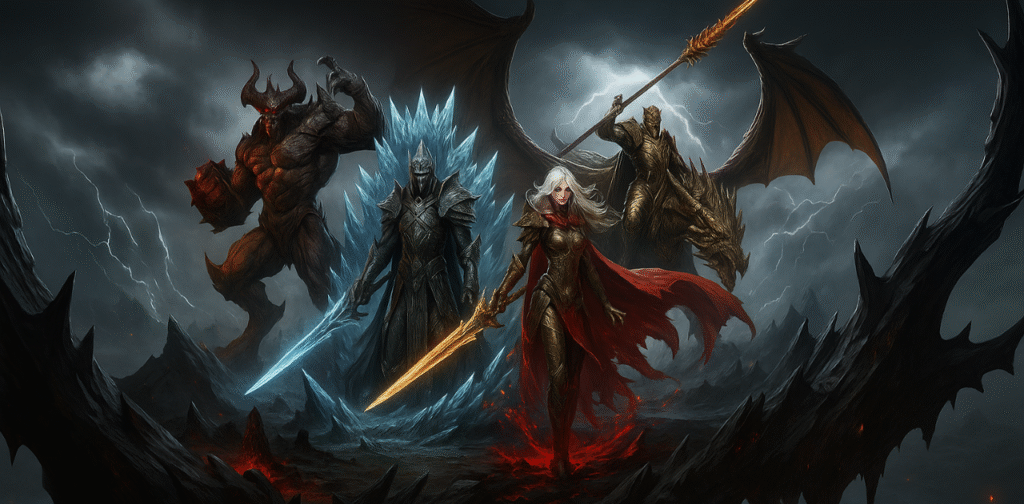
If you have been paying even a little attention to gaming news lately, you have probably noticed one word appearing everywhere: AI.
Some players are excited.
Some are worried.
Some are angry.
And many are simply confused about what this actually means for the future of gaming.
From smarter enemies and more realistic NPCs to AI-generated voices, quests, and even entire worlds, AI in video games is no longer a general idea. It is already reshaping how games are developed and experienced.
But with that rise comes a question gamers cannot stop asking:
Is artificial intelligence in games pushing the industry toward a bold new era of innovation, or is it quietly killing the creativity that made gaming special in the first place?
Let’s talk about it honestly without hype, without fear, and in a way that actually makes sense for gamers.
What AI Really Means in Modern Video Games
Before forming opinions, it is important to clear up a major misunderstanding.
AI in the gaming industry is not one single technology.
In video games, AI refers to multiple systems working together behind the scenes, such as:
-
Enemy behavior and combat logic
-
NPC reactions and dialogue systems
-
Procedural world generation
-
Animation and motion assistance
-
Game testing and bug detection
-
Generative AI for voices, quests, textures, or music
Older games already used basic AI. Enemies followed patterns. NPCs repeated the same lines. Worlds felt static and predictable.
Modern artificial intelligence in games aims to change that by making worlds more responsive, dynamic, and personal. The goal is simple:
Games should react to players like living systems, not scripted machines.
That sounds exciting, but it also raises serious concerns.
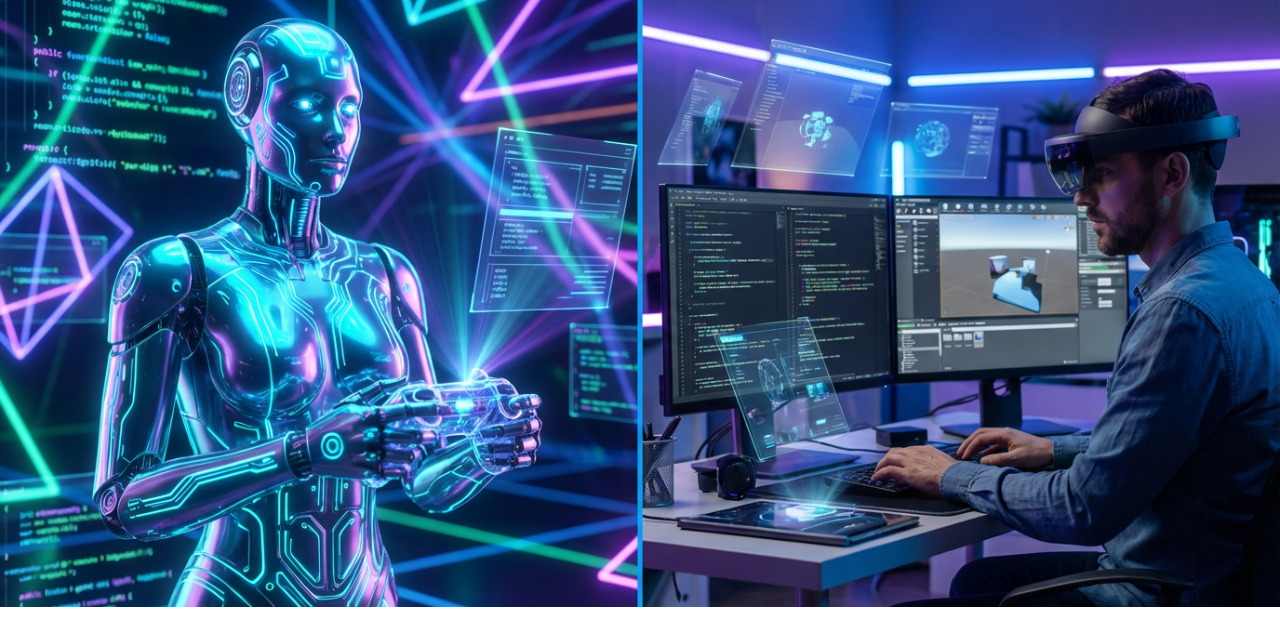
How AI Is Already Improving Video Games
Despite the controversy, AI is already delivering real benefits in video game development.
Smarter and More Believable NPCs
One of the most visible improvements brought by AI in video games is smarter non-playable characters.
Instead of repeating the same dialogue endlessly, AI-powered NPCs can now:
-
React differently based on player choices
-
Remember past interactions
-
Adjust tone and attitude
-
Engage in more natural conversations
Some experimental games even allow free-form conversations with NPCs powered by language models. This removes rigid dialogue wheels and opens the door to deeper role-playing experiences.
For RPG fans, this could completely redefine immersion.
More Dynamic and Reactive Game Worlds
AI also helps create worlds that feel alive instead of static.
Modern AI systems allow:
-
Enemies to adapt to your playstyle
-
Factions to react to your decisions
-
Events to occur dynamically
-
Worlds to evolve over time
Games like Shadow of Mordor and Shadow of War introduced the Nemesis system, showing how adaptive systems can create unique player stories.
The future of video game development could push this even further, making every playthrough genuinely different.
Procedural Storytelling and Player Choice
One of the biggest dreams in gaming is personalized storytelling.
With AI, games can:
-
Adapt stories based on player behavior
-
Generate unique side quests
-
React to moral choices naturally
-
Adjust narrative tone dynamically
This does not mean replacing writers. Instead, AI becomes a storytelling tool that helps writers build flexible narrative systems.
When used correctly, gaming creativity and AI can enhance each other.
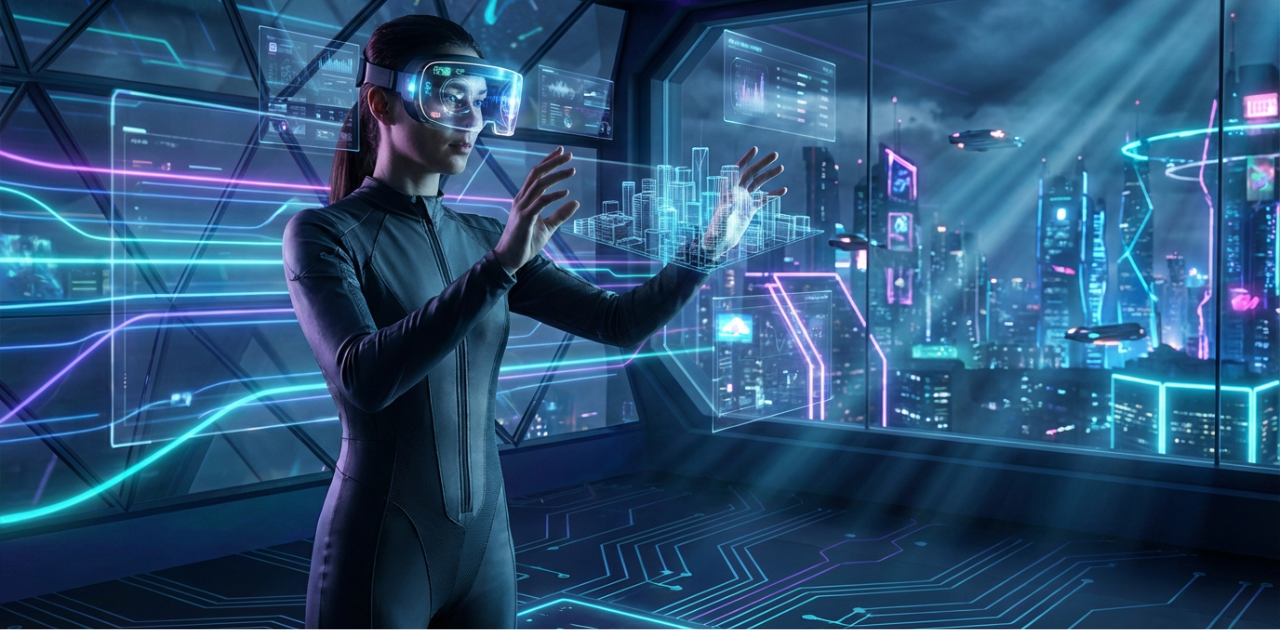
AI in Voice Acting and Animation
This is where the debate becomes intense.
AI voice technology can now:
-
Generate dialogue
-
Replicate voices
-
Adjust emotional tone
-
Speed up localization
AI-assisted animation can also reduce production time for facial expressions and motion capture.
From a development standpoint, this helps smaller studios compete and speeds up production cycles.
However, ethical concerns are real.
Voice actors fear losing work or having their voices used without consent. Players worry about losing emotional authenticity.
Games like The Last of Us, Red Dead Redemption 2, and God of War prove that human performances still matter deeply.
This remains one of the most sensitive areas in the AI gaming debate.
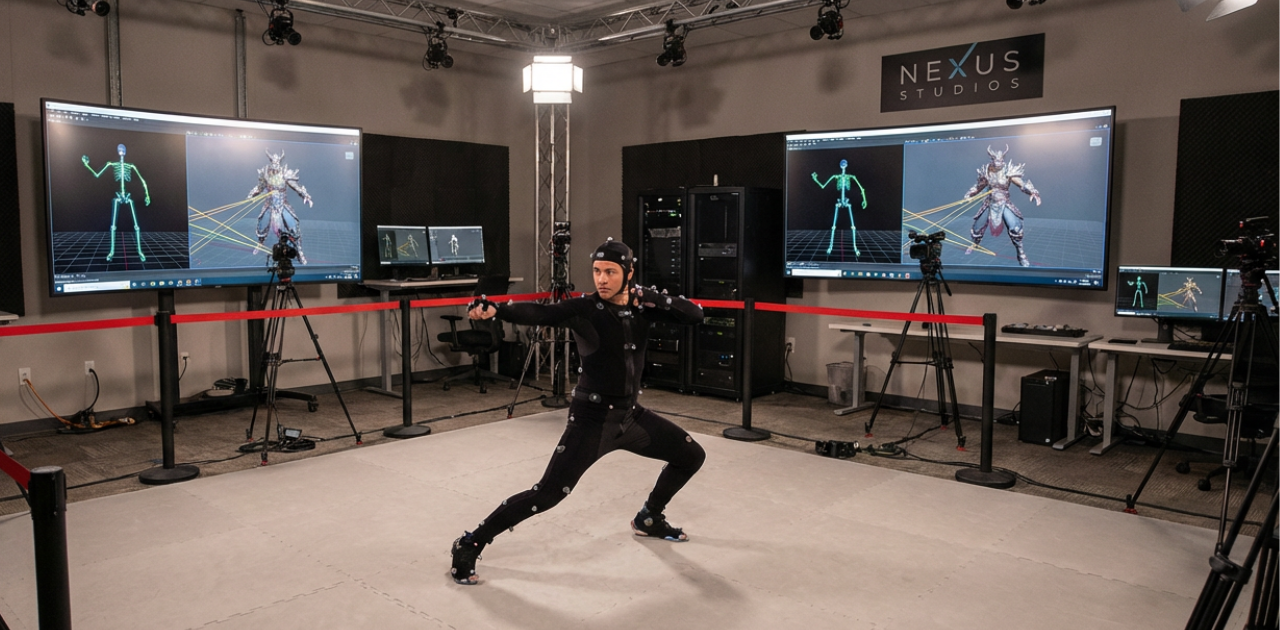
The Role of AI in the Future of Video Game Development
The future of video game development is becoming increasingly tied to how well studios use AI in video games responsibly. As game worlds grow larger and player expectations rise, traditional development methods alone are no longer enough.
In the AI in gaming industry, artificial intelligence is helping developers manage complexity. AI can assist with large open worlds, realistic NPC schedules, smarter enemy encounters, and adaptive difficulty systems that respond to player skill levels.
Rather than replacing developers, artificial intelligence in games is changing workflows. Designers can focus more on creativity while AI handles simulation, testing, and background systems. This allows studios to experiment more without increasing production time dramatically.
If used correctly, AI in video games will not simplify games; it will make them deeper, more reactive, and more personal for players.
Why Some Gamers Fear AI Is Killing Creativity
The fear surrounding AI in the gaming industry is not irrational.
Creativity Comes From Human Experience
Great games resonate because they reflect human emotion: love, loss, fear, hope, and sacrifice.
When players hear “AI-generated content,” they worry that games may become:
-
Emotionally shallow
-
Mechanically impressive but soulless
-
Lacking personal vision
AI can recognize patterns, but it does not live human experiences. That difference matters.
Risk of Repetitive and Generic Design
Another concern is repetition.
Since AI systems learn from existing data, misuse can result in:
-
Recycled ideas
-
Predictable stories
-
Endless filler content
-
Safe but uninspired designs
Instead of taking creative risks, studios may rely on AI to produce content that feels “good enough.”
That could hurt long-term innovation.
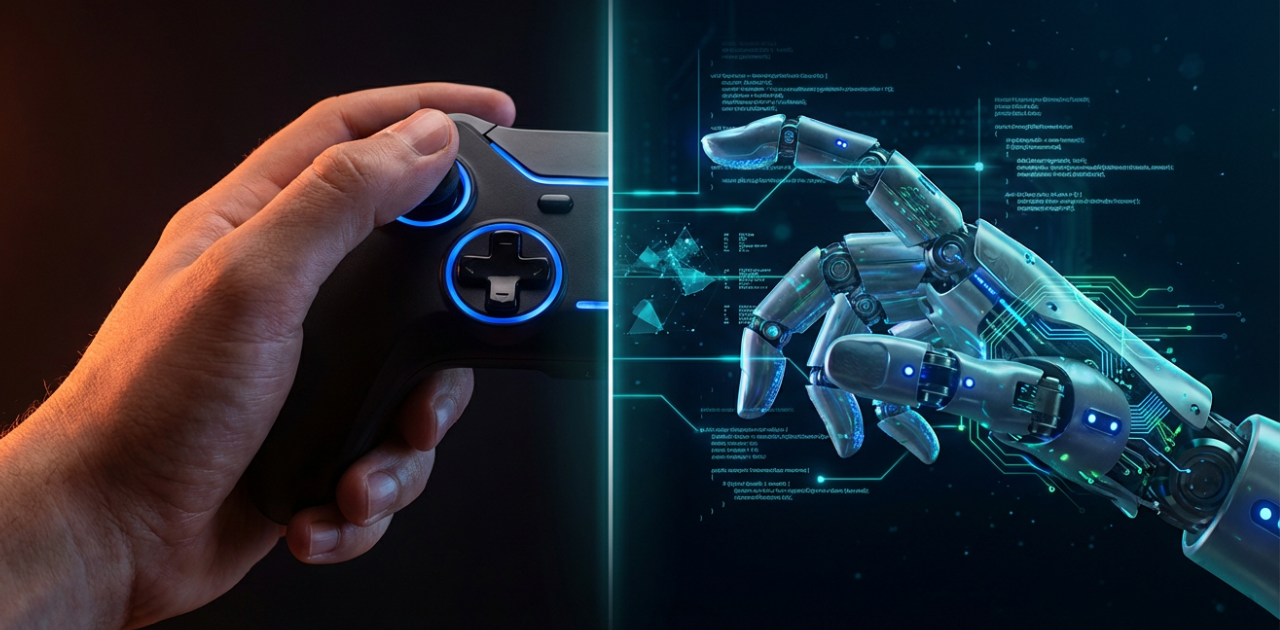
Job Security and Ethical Concerns
Artists, writers, designers, and voice actors worry about job displacement.
If AI replaces creative roles instead of supporting them, the industry risks losing its soul.
This is why many developers argue strongly that AI should remain a tool, not a replacement.
Gaming Creativity and AI: Threat or Creative Partner?
The debate around gaming creativity and AI often frames artificial intelligence as a threat. However, the reality is more complex. Creativity does not disappear when new tools are introduced; it evolves.
In the AI in gaming industry, the most successful studios treat AI as a creative partner rather than a shortcut. AI can generate variations, test ideas, and simulate outcomes, but it still relies on human vision to guide it.
Great games are born from intention. Artificial intelligence in games can support world-building, branching dialogue systems, and dynamic encounters, but emotional storytelling and artistic direction remain human-driven.
When balanced correctly, AI in video games can actually enhance creativity by giving developers more freedom to take risks, explore ideas, and focus on meaningful experiences instead of repetitive technical tasks.
How Gamers Are Reacting to AI in Games
Gamers are divided but not opposed to innovation.
Common opinions include:
-
“AI is fine if it helps developers, not replaces them.”
-
“I want better stories, not endless generated filler.”
-
“Use AI for testing and NPC behavior, not writing.”
This shows an important truth:
Gamers are not anti-AI. They are anti-lazy design.
Can AI and Human Creativity Work Together?
The future is not AI versus humans. It is a collaboration.
AI Works Best For:
-
Repetitive tasks
-
Bug testing and QA
-
World simulation
-
NPC background behavior
-
Localization support
Humans Excel At:
-
Storytelling
-
Character development
-
Emotional depth
-
Artistic vision
-
Moral and thematic design
When combined correctly, AI frees creators from technical grind and allows them to focus on what truly matters.
The Future of Video Game Development With AI
AI will play a bigger role in gaming. That is inevitable.
The real question is how responsibly it is used.
The most realistic future includes:
-
Smarter NPCs
-
Reactive open worlds
-
Personalized storytelling
-
Improved accessibility
-
Faster development cycles
-
Strong ethical guidelines
Studios that respect both technology and creativity will lead the industry forward.
Final Thoughts: Is AI in Video Games Good or Bad?
So, is AI in video games an innovation or the death of creativity?
The honest answer is: it can be either.
AI has the power to make games more immersive, dynamic, and personal than ever before. But careless use could drain emotion and originality from the medium. If developers lean on AI without vision, even the most ambitious titles might fail to reach the heights of the greatest games of all time (check out some of the highest-rated PC and console games here).
The future of gaming depends not on AI itself, but on the choices developers make. If AI is treated as a creative partner, not a shortcut, gaming may be entering its most exciting era yet. Players could face challenges and experiences as memorable as the toughest game bosses that test every gamer (see examples here), but with worlds and stories that adapt uniquely to them.
And as players, our voices matter more than ever. I’d love to hear your opinion on this topic. How do you feel about AI in video games, and do you think it will enhance or harm creativity? Share your thoughts in the comments below!
Frequently Asked Questions About AI in Gaming
Q1: Is AI already used in video games today?
A: Yes. AI has been used for enemy behavior, NPC logic, testing, animation, and procedural generation for many years.
Q2: Are AI-generated games fully automated?
A: No. Most games still rely heavily on human developers. AI usually supports specific tasks rather than replacing entire teams.
Q3: Will AI replace game developers?
A: Very unlikely. While AI may change certain roles, creativity, storytelling, and overall direction still require human involvement.
Q4: Are AI NPCs actually intelligent?
A: Not truly. They simulate intelligence through algorithms and models but do not think, feel, or possess awareness.
Q5: Can AI improve storytelling in games?
A: Yes, especially by enabling dynamic dialogue and personalized narratives when guided by human writers and designers.
Q6: Why are gamers worried about AI?
A: Mainly due to concerns about creativity loss, job displacement, and ethical misuse within the gaming industry.
Q7: Do big studios use AI right now?
A: Yes. Most large studios use AI for testing, animation assistance, optimization, and internal development tools.
Q8: Will AI make games cheaper or more expensive?
A: AI may reduce certain costs, but large-scale productions will likely remain expensive due to high-quality and content expectations.
Q9: Can AI create emotional stories like humans?
A: Not on its own. Emotional depth still comes from human experience, intention, and artistic vision.
Q10: Is AI the future of gaming?
A: AI will be part of the future of gaming, but it will not replace human creativity or storytelling.