The nature of the fuel that you use is critical when it comes to extracting the maximum from your car. Knowledge of the Benefits of high-octane fuel in vehicles is what can help any driver optimize the performance of the engine, increase fuel consumption efficiency, and avoid expensive maintenance. High-octane fuel is likened to big cars, but its benefits apply to any car that has been designed to run on it. This article will focus on 12 effective and successful advantages of high-octane fuel in automobiles that are supported by science to provide driving excitement in your life.
What is High-Octane Fuel?
High-octane gasoline is gasoline that has a high octane grade compared to regular gasoline. The octane rating is used in gauging how a fuel can resist knocking or pinging when it is being burned. Engine knocking is a phenomenon that arises when the fuel-air mix in the lit cylinder ignites before it can be combusted efficiently, and it may even damage the engine.
The normal gasoline has an average score of 87 in octane, whereas high-octane gasoline has a score between 91 and 100. Higher octane fuel in engines that can and/or must use it will guarantee smoother combustion, increased performance, and extend engine life.
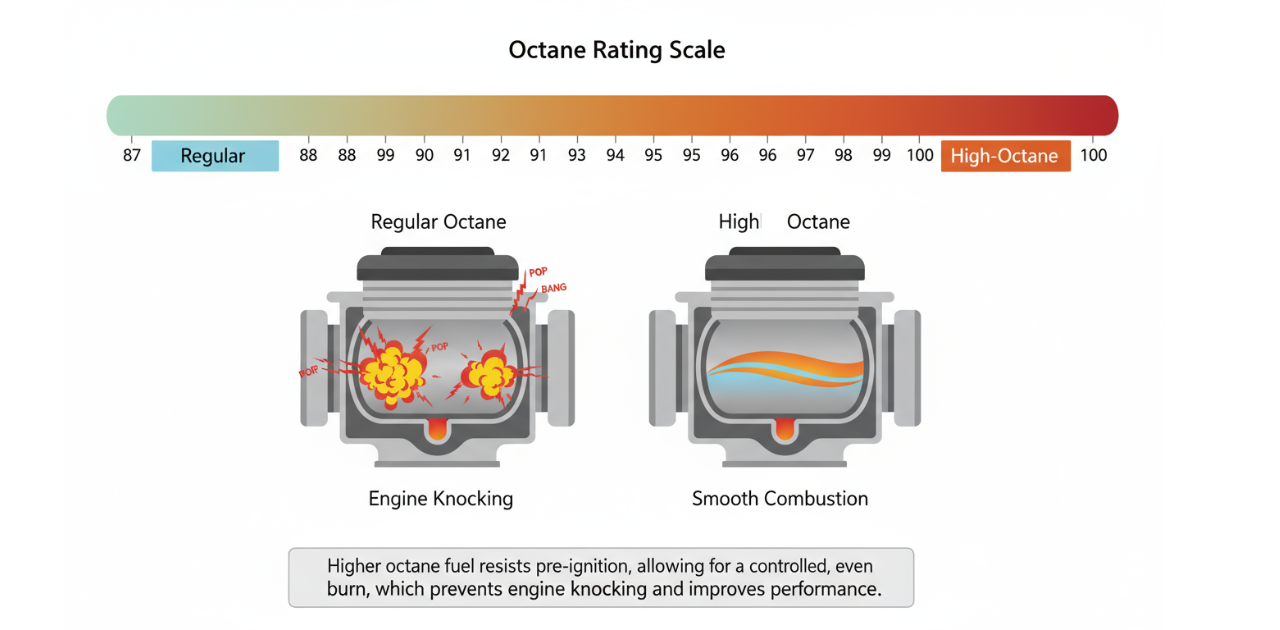
12 Powerful Benefits of High-Octane Fuel in Cars
1. Better performance of the engine
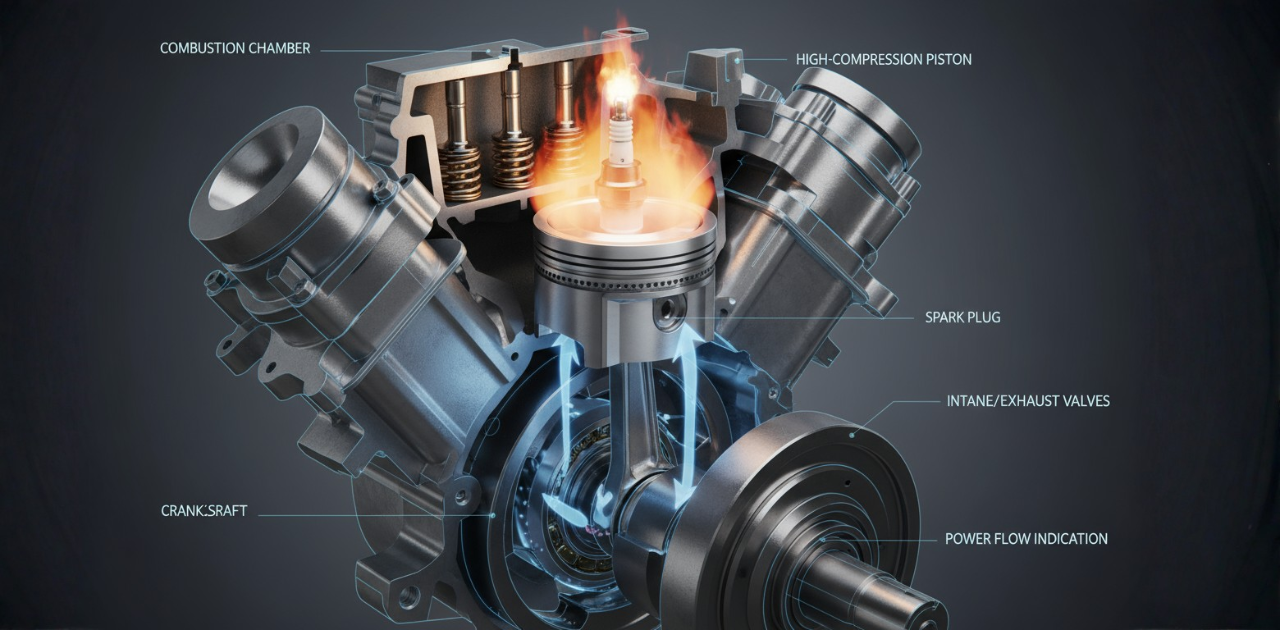
The first direct benefit of the high-octane fuel is the increase in engine performance. High-octane cars are highly compressed cars that need fuel with the ability to withstand high pressure. With the proper fuel in place, the combustion will be more efficient and therefore lead to smoother operation, improved throttle response, and an overall increase in driving satisfaction.
Scientific research has established that high-octane fuel enhances the performance of combustion engines by enabling them to run at higher compression ratios without knocking. This is converted directly to a discernible increase in horsepower and torque.
2. Reduced Engine Knocking
Car owners are concerned with engine knocking. Not only does it influence the performance, but it also enhances the wear and tear of engine parts. High-octane gasoline will not start ignition too soon, and thus will not produce the harmful pinging noise that comes with knocking.
Burning fuel of a higher octane number than your engine that must burn can greatly decrease the possibility of knocking, which will contribute to smoother operation as well as shield the pistons, spark plugs, and valves against unnecessary stress.
3. Enhanced Fuel Efficiency
A lot of drivers would think that high-octane fuel is merely a matter of performance, but research indicates that it can enhance the fuel efficiency of some engines. High-octane fuel enables engines to generate more energy per drop of gasoline by offering them more stable and complete combustion.
This gain can be especially evident in turbocharged and high-compression engines, where the accuracy of combustion is of great importance. With time, the increase in efficiency can be used to offset the increased cost of premium fuel.

4. Longer Engine Life
Using high-octane fuel regularly in suitable engines may increase the life of the engine. More regulated and cleaner combustion decreases the number of carbon deposits and the early degradation of engine parts.
This may have the effect of reducing repair time, improving reliability, and saving on maintenance costs over the life of your car, and in effect, high-octane fuel is a smart investment towards long-term engine health.
5. Increased Acceleration and Power output
Acceleration can be tangibly felt when high-octane fuel is used by drivers. Since the fuel burns more efficiently and also avoids knocking, the engines can provide greater power output, particularly in sports cars and power sport-oriented cars.
This is no mere opinion, but can be tested in terms of horsepower, where engines that run on the suggested octane rate tend to perform higher than those running on lower-grade fuel.
6. Cleaner Engine Combustion
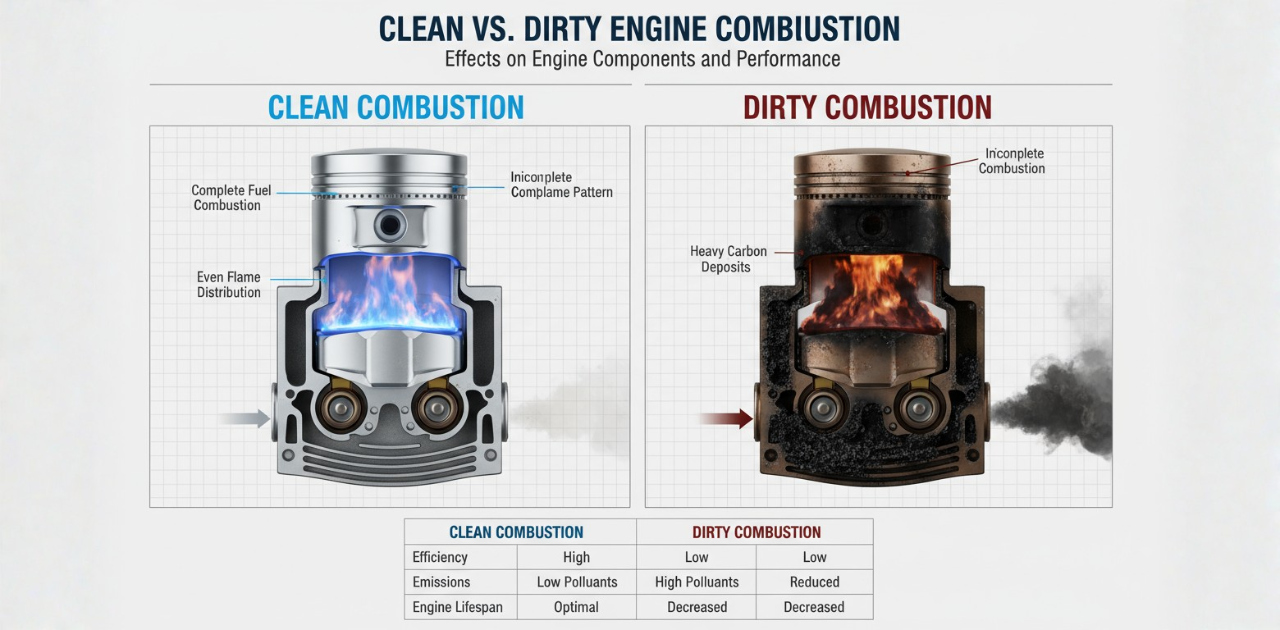
High-octane gasoline is usually cleaner than normal gasoline. Harmful carbon deposits form within the engine as time progresses by combusting cleaner fuels, which is minimized and will thus end up damaging the valves, pistons, and injectors.
High-octane fuel keeps your engine cleaner, permitting predictable performance, minimized emissions, and less consumption of expensive engine cleaning or repair.
7. Enhanced Turbocharged Engine Workmanship
High-octane fuel is very beneficial in turbocharged engines, which are increasingly gaining popularity. The increased pressure and temperatures in turbo engines increase their vulnerability to knocking, and therefore, premium fuel is nearly crucial to maximize performance.
High-octane fuel is also used so that the turbo engines can work at full power, so that the engine can produce the maximum power and still be reliable.
8. Lower Emissions
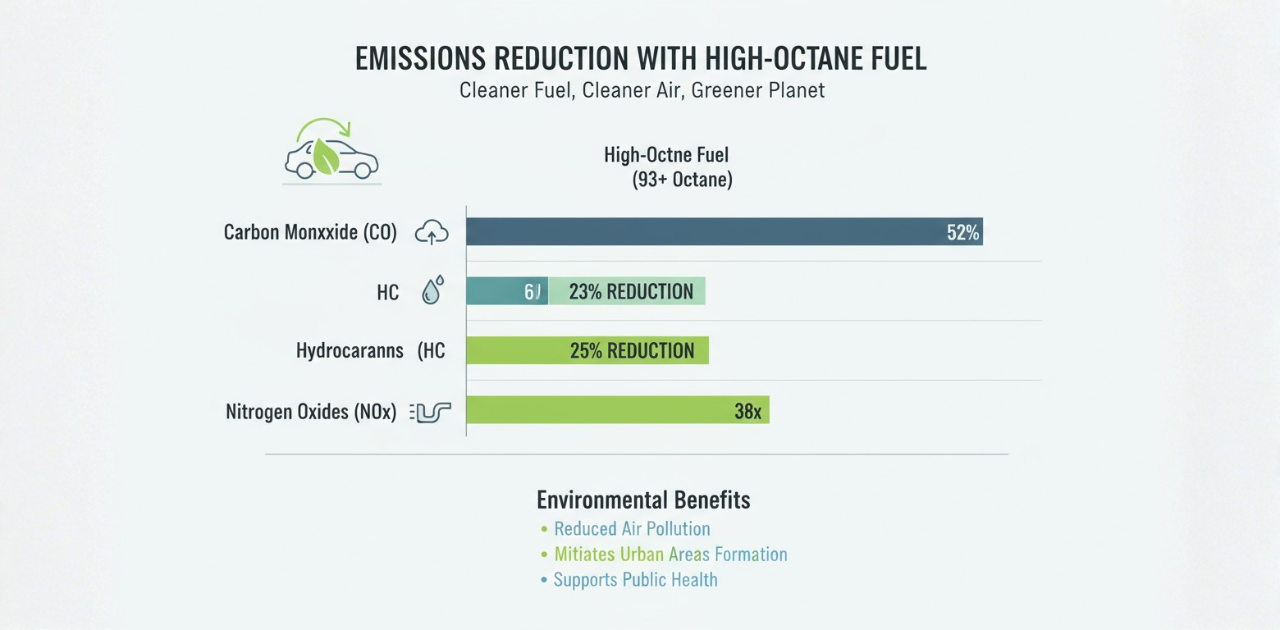
High-octane fuel will encourage a more complete combustion, and the quantity of unburned fuel and emissions that cause harm to the atmosphere is also less. Cars that operate on high-octane fuel tend to release lower carbon monoxide, hydrocarbons, and nitrogen oxides.
This benefits the environment, not to mention that it can enable vehicles to pass through tough emissions tests with ease.
9. Better Handling of the Road
Every person who has tried the engine knocking is aware of the disturbing consequences of it. High-octane gasoline makes the ride smoother and less noisy as this gasoline stops the vibrations and the inconsistencies in the engines.
A more comfortable driving experience is not only the comfort factor, but also the stress on the engine and other components of the driving train is minimized, which enhances the durability in the long term.
10. Endorses state-of-the-art Engine Technologies
The engines are currently becoming more advanced and have technologies such as variable valve timing, direct injection, and high compression ratios. The fuel is high octane to enable such advanced technologies that will enable the engines to perform to their full potential.
Many of these technologies are unable to perform optimally without the correct fuel, which may result in poor performance and even long-term engine problems.
11. Minimizes the Risk of high-cost Repairs
High-octane fuel minimizes the chance of costly repair of damaged engines by eliminating knock, minimizing deposits, and facilitating efficient combustion. Peculiarities that are termed as pistons, valves, spark plugs, and catalytic converters have a longer life when the engine is working properly, using the appropriate fuel.
Depending on your budget and the fuel types available, premium fuel can cost a little more at first; however, it can end up saving you considerably higher repair expenses in the long run.
12. Mindfulness Meditation to Help You Focus on Your Performance
For car and driver who require the highest performance, high-octane fuel gives them a sense of security. Every drive will be enjoyable knowing that you have the safeguard of your engine, and it is performing to its optimum capacity.
On the one hand, the high-octane fuel in the cars helps not only to improve the driving experience but also to increase the number of visits to the same place on the weekend as well as to the workplace every day.
What are the Conditions under which high-octane Fuel is to be used?
Not all cars need high-octane fuel. The majority of the modern engines are modeled to operate on normal gasoline. Yet, high compression ratio, turbocharged engines, or performance-tuned cars usually need high-octane fuel in order to run safely and efficiently.
Consult your owner’s manual to see whether your car takes premium fuel. There are only limited benefits of using high-octane fuel in engines that were intended to consume regular gasoline.
Conclusion
The advantages of high-octane fuel in automobiles are long and well-documented. Whether it’s improved performance, smoother driving, better fuel efficiency, longer engine life, or reduced emissions, high-octane fuel offers positive, measurable benefits for engines that are designed to use it. Many modern performance cars demonstrate this clearly, and resources like this detailed breakdown on high-performance engines from muzblogs can help drivers understand how fuel quality influences real-world results: https://muzblogs.com/unbelievable-performance-engines/
With solid knowledge of the 12 scientifically backed advantages of using high-octane fuel, drivers can make smarter decisions about what they put in their tank, protect their vehicle investment, and enjoy a higher-quality driving experience overall. And for those who appreciate premium engineering, even luxury models highlighted here, https://muzblogs.com/the-10-most-luxurious-cars-in-the-world/often rely on high-octane fuel to deliver the refined performance they’re known for.
Now upgrade to high-octane fuel and experience the difference in performance, reliability, and peace of mind.
FAQs
1. What is high-octane gasoline, and what is the difference between high-octane gasoline and regular gasoline?
The octane rating (typically 91100) of high-octane fuel is much higher than that of regular gasoline (87). The increased octane also enables the fuel to resist knocking or pre-ignition, and hence it is suitable for high-compression and performance engines.
2. Is high-octane the best in all kinds of cars?
No. The use of high-octane fuel is only useful in engines that are made to use it. The majority of economy cars work well even with ordinary gas and will not have any significant advantages with premium gas.
3. Is high-octane fuel better for engine performance?
Yes, it increases performance in higher octane engines by providing efficient combustion, increased throttle response, and more horsepower.
4. High-octane fuel and fuel efficiency?
Yes, there are higher compression and turbocharged engines that are more fuel efficient with high octane fuel due to more stable and complete combustion.
5. What causes the high-octane fuel to do away with the engine knocking?
High-octane fuel does not ignite easily under pressure and thus does not allow uncontrolled combustion, mostly called knocking. This shields internal parts such as pistons, spark plugs, and valves.
6. Which engines use high-octane fuel?
High-compression ratio engines, turbochargers, superchargers, or performance tuning are usually in need of or advantageous with high-octane gasoline.
7. Can it be bad to put high-octane gas in a car that is made to take regular gasoline?
No, it isn’t harmful. Nevertheless, it typically does not provide any performance or efficiency benefit and thus is an unnecessary expense.
8. Is high-octane fuel beneficial to turbocharged engines?
Yes. The turbocharged engines are high-pressure and temperature engines, and therefore, they are more likely to knock. They can use high-octane gas, which enables them to give their full potential without risking their lives.
9. What is the impact of using a high-octane fuel on extending the engine life?
High-octane fuel ensures that the engine is cleaner by knocking less, and carbon is less accumulated, and also the engine has less mechanical load, which leads to long engine life.
10. Is high-octane fuel effective in lowering vehicle emissions?
Yes. The high-octane fuel burns more fully, and therefore, the number of unburned hydrocarbons, carbon monoxide, and nitrogen oxide gases is minimized.
11. Is high-octane fuel observed to have an acceleration difference?
In a car engine that is designed to use premium fuel, a driver will be able to have smooth acceleration, greater responsiveness, and achieve more power output.
12. Does high-octane fuel lower maintenance or repair costs?
Yes. Its engine cleanness gives rise to fewer deposits, less wear and tear, and fewer chances of damage to its engine, which may reduce the cost of repair in the long run.
13. What will occur in the case of the combination of regular fuel and high-octane fuel?
Blending the two merely changes the general octane level. It will not damage the engine, and performance gains will decrease in case the octane level becomes lower than the recommended level by the manufacturer.
14. Is it worth paying more to use premium fuel in daily driving?
It is only worth doing so when your car suggests or needs high-octane fuel. Otherwise, daily driving requires ordinary gasoline, which is cheap and efficient.
15. What makes me aware whether my car needs high-octane gasoline or not?
Consult your owner’s manual, the fuel cap, or the manufacturer’s recommendation. When it declares that the fuel is premium required or recommended, then use high-octane to get the best performance and safeguard your engine.